
The price of skin tightening treatment is not always easy to compare at first glance. Technology, treatment area, practitioner experience, consultation depth and aftercare all influence what someone is actually paying for. Anyone researching ultherapy cost should look beyond the headline figure and consider the full assessment, treatment planning and clinical support included in the price.
Why Prices Can Vary So Much
Ultherapy and similar ultrasound-based lifting treatments are not usually priced as a simple one-size-fits-all service. The area being treated plays a major part. A smaller area such as the brow or under-chin will usually require less time and fewer treatment lines than a larger area such as the lower face, neck or full face.
The condition of the skin also matters. Someone with mild laxity may need a different approach from someone with more noticeable sagging. A proper consultation should assess skin quality, facial structure, treatment goals and whether ultrasound lifting is the right option at all. This personalised planning is one reason prices can vary between clients.
Technology And Practitioner Experience Matter
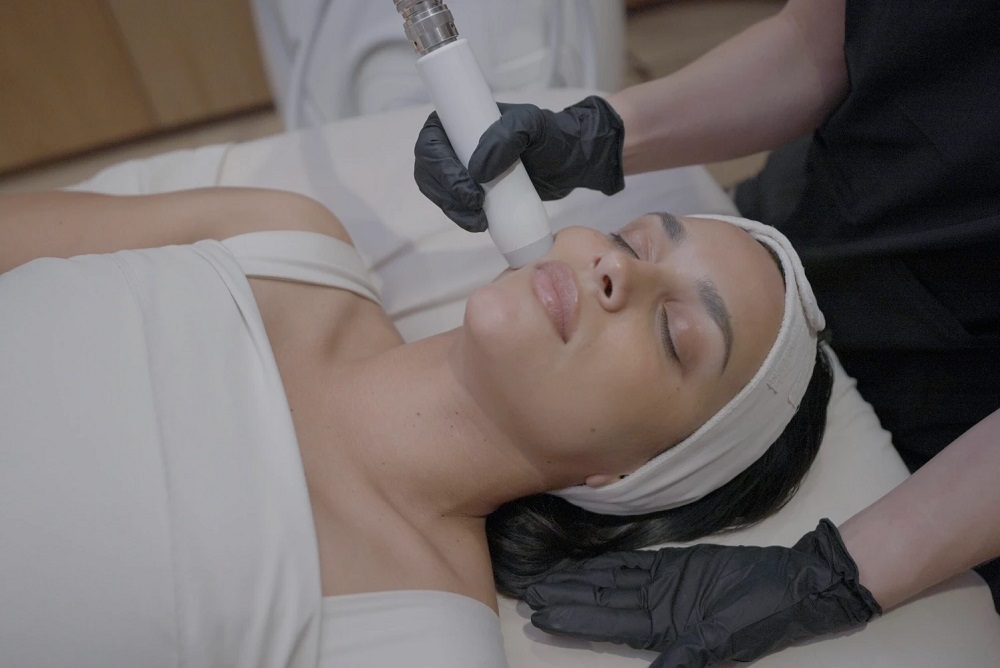
With energy-based treatments, the device and the person using it both affect the quality of the experience. A recognised system, correct settings and careful technique are important because the treatment works below the skin’s surface. The goal is to deliver energy at the right depth and in the right pattern, rather than simply covering an area quickly.
The American Society for Dermatologic Surgery explains that ultrasound therapy for sagging skin uses focused ultrasound energy below the surface to support collagen production over time. That kind of treatment should be planned carefully, which is why a lower price is not always the best value if it comes with rushed consultation or unclear treatment details.
What Should Be Included In The Price
When comparing costs, it is worth asking what the quoted fee includes. A good clinic should be clear about the consultation, treatment area, number of lines or shots where relevant, device used, aftercare advice and any follow-up review. Without this information, it is hard to compare prices fairly.
Some clinics may promote a low starting price, but that may only apply to a small area. Others may offer packages for larger treatment zones. The most useful quote is one that explains exactly what is being treated and why that plan suits your face or skin concern.
Results Take Time To Develop
Ultherapy is not usually chosen for an instant dramatic change. Many people consider it because they want a gradual, non-surgical lifting or tightening effect. Results may develop over weeks and months as the body responds, so expectations need to be realistic from the start.
This matters when thinking about value. A treatment should not be judged only by the appointment time, but by the planning, technology, skill and gradual outcome it is designed to support. A good practitioner should explain what the treatment can reasonably achieve and where its limits are.
Questions To Ask Before Booking
Before deciding, ask which device will be used, who will perform the treatment and how your suitability will be assessed. It is also sensible to ask about discomfort, downtime, aftercare and when results may appear. Clear answers can help you feel more confident about both the treatment and the price.
Be cautious if a clinic cannot explain why a certain area or package has been recommended. Pricing should feel transparent, not confusing. The best aesthetic decisions are made when the client understands the treatment rather than feeling pushed into an offer.
Cost is only one part of choosing an ultrasound lifting treatment. By looking at the technology, practitioner experience, treatment plan and level of care included, it becomes much easier to judge whether the price represents genuine value rather than simply a cheaper appointment.