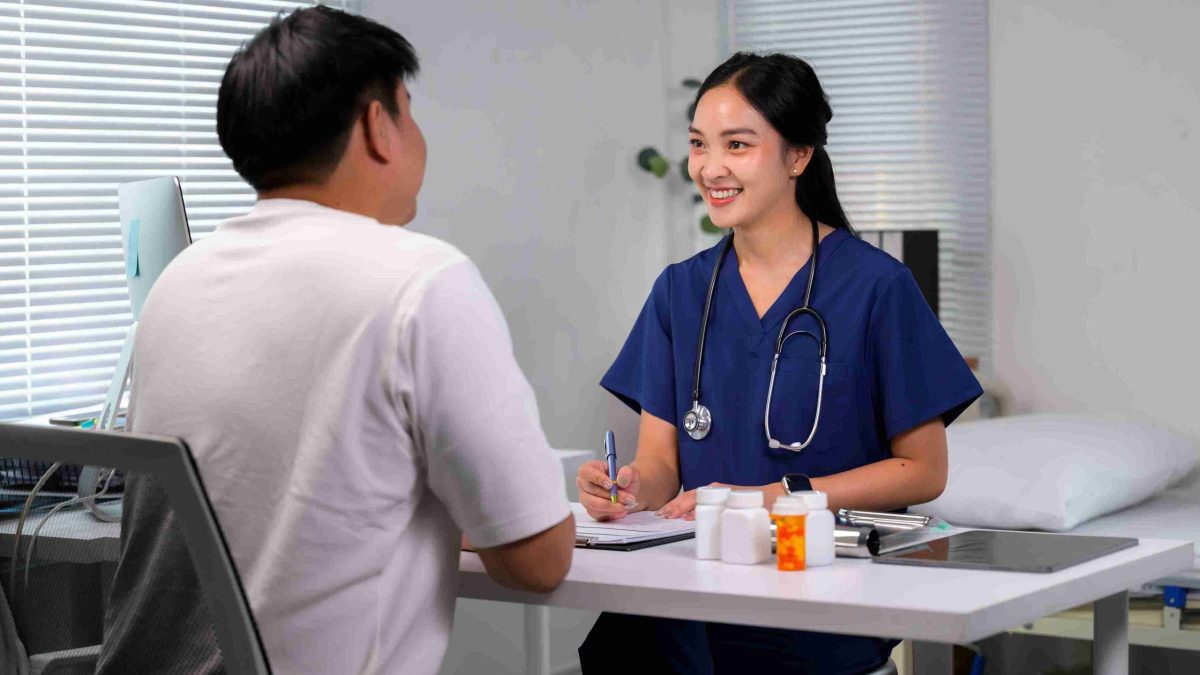
Hiring foreign workers comes with important responsibilities, and one of the most critical is ensuring they meet health requirements set by authorities. Medical screenings protect not only the employee but also the workplace and the wider community. For employers, understanding what these check-ups involve can help prevent delays, compliance issues, and unnecessary stress during the hiring process.
Why Medical Check-Ups Are Required
Work permit medical examinations are designed to assess whether a worker is medically fit to perform their job safely. These screenings help detect conditions that may pose health risks, especially in industries where close contact, physical labor, or food handling is involved.
From a regulatory standpoint, these work permit health checks also support public health goals by identifying communicable diseases early. Employers who understand this purpose are better equipped to comply with requirements and support their workers through the process.
Who Needs a Medical Examination
Not all employees are subject to the same medical requirements. Typically, foreign workers applying for or renewing a work permit must undergo a health examination, while local employees may not be required to do so unless company policy states otherwise.
Certain job roles, such as healthcare workers, food handlers, and construction workers, often have stricter health screening standards. Employers should verify the specific requirements applicable to the worker’s role and nationality to avoid last-minute issues.
What the Medical Check-Up Usually Includes
A standard medical examination generally involves a physical assessment, basic laboratory tests, and a review of medical history. Common components include chest X-rays, blood tests, urine analysis, and vision checks.
Some conditions, such as infectious diseases or chronic illnesses that may affect job performance, are specifically screened. Understanding these components helps employers explain the process clearly to workers and set realistic expectations.
Employer Responsibilities During the Process
Employers play an active role in ensuring the medical examination is completed correctly and on time. This includes scheduling appointments with approved clinics and ensuring that all required forms are completed accurately.
In many cases, employers are also responsible for covering the cost of the medical check-up. Clarifying this upfront prevents misunderstandings and supports a smoother onboarding process for foreign workers.
Timing and Validity of Medical Results
Medical examinations must usually be completed within a specific timeframe, either before the work permit is issued or shortly after the worker arrives in the country. Delays in completing the check-up can result in permit rejection or suspension.
Medical results are typically valid for a limited period. Employers should track these timelines carefully, especially for renewals, to avoid compliance gaps related to the medical check up for work permit.
Handling Medical Findings Professionally
If a worker does not meet the required medical standards, employers must handle the situation with professionalism and confidentiality. Medical information is sensitive and should only be shared with authorized parties.
In some cases, further tests or treatment may be allowed before a final decision is made. Employers should follow official guidance closely and avoid making assumptions or discriminatory decisions based on incomplete information.
Common Mistakes Employers Should Avoid
One common mistake is assuming that all clinics can perform work permit medical examinations. Authorities often require examinations to be done at accredited medical centers, and results from non-approved clinics may be rejected.
Another frequent issue is incomplete documentation. Missing forms, incorrect personal details, or expired medical results can delay work permit approval. Employers who double-check requirements reduce the risk of costly delays.
Supporting Workers Through the Process
Clear communication is key to a smooth medical screening experience. Employers should explain why the check-up is required, what tests will be done, and how the results will be used.
Providing guidance on appointment scheduling, transportation, and follow-up steps demonstrates good employer practice. This support can also improve trust and morale, particularly for first-time foreign workers unfamiliar with local procedures.
The Bigger Picture for Workplace Health
Medical screenings are not just a regulatory formality; they are part of building a safe and productive workplace. Healthy employees are less likely to experience work-related complications, absenteeism, or safety incidents.
By understanding and properly managing the medical check up for work permit, employers contribute to long-term workforce stability while remaining compliant with employment regulations.
Conclusion
Navigating work permit medical requirements may seem complex, but informed employers can manage the process efficiently. Knowing who needs a check-up, what it includes, and how to handle results responsibly makes a significant difference.
With proper planning and clear communication, employers can ensure compliance, protect workplace health, and create a positive onboarding experience for foreign workers.