30
Managing healthcare for a household rarely feels simple. Between work deadlines, school drop-offs, and weekend activities, keeping up with routine dental visits can quickly turn into a logistical headache, especially when everyone sees a different provider. One child goes to a pediatric clinic twenty minutes away, another is aging out of that practice, and parents end up postponing their own cleanings because finding time for a separate office just slips down the priority list.
Switching to a family dentist solves more than a scheduling problem. It creates a single, reliable dental home where preventive care becomes part of normal household life rather than a recurring chore. When one dental team looks after your family year after year, consistency stops requiring extra effort, and the quality of care often improves right alongside the convenience.
Care That Grows Through Every Stage of Life
A family dentist is trained to treat patients across all age groups, from toddlers coming in for their very first look-around visit to older adults managing decades of natural wear. Unlike specialized practices that only see children or focus exclusively on adult restorative work, a family practice adapts as your household changes.
For young kids, early visits focus on gentle checkups, monitoring how baby teeth erupt, and applying preventive treatments like fluoride and dental sealants once permanent molars appear. During the preteen and teenage years, attention shifts toward bite development, hygiene habits around sports or braces, and tracking incoming wisdom teeth. Adults tend to need ongoing gum maintenance, cavity prevention, and protection against grinding or enamel erosion, while seniors often benefit from careful management of dry mouth, existing crowns, or tooth replacement options.
Staying in one place eliminates the awkward handoff that happens when teenagers age out of a pediatric office. Instead of searching for a new provider, transferring files, and starting from scratch with unfamiliar clinicians, patients simply continue with the team they already know. That continuity makes it much easier for young adults to keep up with routine cleanings once they start managing their own calendars.
The Clinical Value of Long-Term Records and Shared History
Good dentistry relies heavily on spotting small changes before they turn into painful, expensive problems. A tiny area of demineralization on a molar, slight gum recession near the front teeth, or subtle signs of nighttime clenching might not raise alarm bells during a one-off exam. When the same dentist reviews your X-rays and examines your mouth every six months over several years, those gradual shifts stand out immediately.
Long-term familiarity sharpens diagnostic accuracy. Your dentist learns your baseline oral health, knows how your gums respond to routine cleanings, and remembers which teeth have older fillings that warrant closer monitoring. That context reduces guesswork and supports more conservative, well-timed treatment decisions.
There is also an overlooked advantage when parents and children share a dentist: hereditary patterns become visible in real time. Oral health is not shaped by brushing alone. Jaw size, tooth crowding, enamel thickness, and susceptibility to gum disease frequently run in families. When a clinician sees how a parent’s bite has aged or knows there is a family history of periodontal issues, they can watch for those exact tendencies in the children early on. Proactive monitoring often means simpler interventions later.
Less Friction Means Better Consistency
Most people do not skip dental visits because they dislike clean teeth. They skip them because coordinating appointments across multiple locations takes too much time and mental energy. Missed work hours, early school dismissals, and back-to-back drives across town create just enough friction to push a six-month checkup to nine months, and then a year.
A family practice removes those everyday barriers. Many offices offer block appointments, allowing parents and children to have their cleanings and exams scheduled back-to-back or in adjacent rooms during a single trip. Instead of juggling three separate reminders and three different sets of paperwork, you manage one calendar, one billing system, and one insurance profile.
Turning Prevention Into an Automatic Habit
Consistency is the backbone of affordable oral healthcare. Routine cleanings remove hardened tartar that brushing and flossing cannot reach, while periodic exams catch early decay when a simple filling is still all that is needed. When visiting the dentist fits smoothly into a busy week, families are far more likely to stay on a regular schedule. Over time, that steady rhythm protects both oral health and the household budget by preventing avoidable root canals, crowns, and urgent extractions.
Lowering Dental Anxiety for Children and Adults Alike
Dental nervousness is common, and it rarely stays contained to one person in a household. Kids pick up quickly on how their parents talk about appointments, and an unfamiliar clinical environment can easily trigger hesitation in young patients.
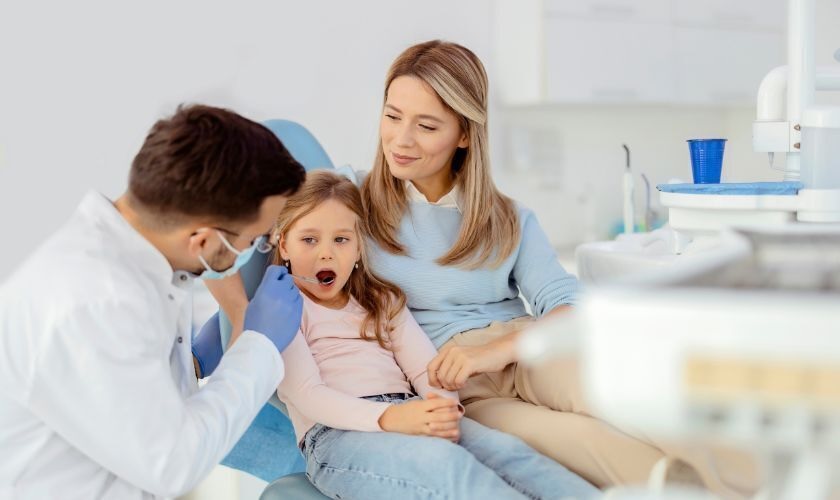
Seeing a family dentist helps normalize the experience from the start. Young children can walk into an office where they have already watched their mom, dad, or older sibling sit comfortably in the chair and chat with the hygienist. Seeing a parent treated with calm, friendly professionalism sends a clear message that the dentist’s office is a safe, ordinary place.
That comfort matters for adults, too. Many grown-ups carry lingering discomfort from rushed or unpleasant appointments earlier in life. Working with the same dentist and hygienist over multiple years builds genuine rapport. The team learns how you prefer procedures to be explained, whether you need extra time for numbing, or if small breaks help you stay relaxed. Trust grows quietly through repeated positive visits, turning something people once dreaded into an easy, predictable routine.
Reliable Support When Dental Emergencies Happen
Accidents rarely wait for a convenient moment. A child takes an elbow to the mouth during a basketball game, a molar cracks on a stray popcorn kernel, or a sudden toothache flares up before a holiday weekend. In those stressful moments, having an established dental home makes all the difference.
Patients who do not have a regular dentist often end up calling clinic after clinic, trying to find someone willing to squeeze in a new patient on short notice. An established family practice already has your medical history, allergies, current medications, and recent X-rays on file. Because the team knows you, triage happens faster, and you are far more likely to be seen promptly by someone you already trust.
What to Look for in a Great Family Dentist
Not every practice that advertises family care operates the same way. If you are looking to bring your household under one roof, taking a little time to evaluate your options pays off for years to come.
Broad Everyday Services and Clear Referrals
Look for an office that handles core preventive and restorative care comfortably in-house, including cleanings, digital imaging, tooth-colored fillings, crowns, gum care, and custom night guards or sports mouthguards. While no general dentist performs every complex procedure, a strong family practice maintains trusted relationships with local orthodontists, periodontists, and oral surgeons so referrals feel coordinated rather than disjointed.
Clear Communication and Zero Pressure
Pay attention to how the dentist and staff interact during your first visit. Great family clinicians know how to adjust their approach depending on who is in the chair, speaking gently and clearly to a six-year-old while offering thorough, transparent explanations to an adult. Treatment plans should feel collaborative, with plain-language explanations of what is urgent, what can wait, and what everything costs before work begins.
Practical Fit for Your Schedule
Even the most skilled clinician is hard to stick with if getting to the office feels impossible. Consider proximity to home, work, or your kids’ schools, along with practical perks like early morning, evening, or occasional Saturday hours. Checking how the office handles dental insurance claims, flexible payment plans, or in-house membership options will also prevent billing surprises down the road.
A Simple Choice With Lasting Payoff
Oral health touches more than just how a smile looks in family photos. Healthy teeth and gums support comfortable eating, clear speech, restful sleep, and overall physical well-being. Yet keeping every family member on track does not require elaborate routines or constant reminders. Often, it starts with making care easier to access and more personal to maintain.
Choosing a family dentist brings preventive care, long-term monitoring, and everyday convenience together in one familiar place. For parents, it means fewer logistical hurdles and clearer peace of mind. For kids, it establishes a comfortable, steady relationship with dental care that they can carry well into adulthood. When oral healthcare feels approachable and consistent, a healthy smile stops being something you chase and becomes something your whole family naturally maintains.